
Beschreibung
Preis auf Amazon: 8,62 €
(as of Feb 06,2025 15:01:25 UTC – Details)
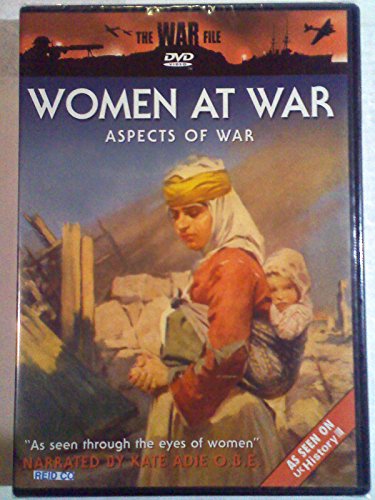
Women have always played a significant role in war, whether they are directly involved in combat or supporting roles. From ancient times to modern conflicts, women have contributed to the war effort in various capacities. In this article, we will explore the different aspects of women at war, including their roles, challenges, and contributions.
One of the most visible aspects of women at war is their involvement in combat roles. While historically women were not allowed to serve in the military, their participation in warfare has increased significantly in recent years. In many countries, women are now allowed to serve in combat roles, including frontline combat units. This has led to a shift in traditional gender roles and perceptions of women’s capabilities in the military.
However, women in combat roles still face unique challenges. They often have to prove themselves in a male-dominated environment and may face discrimination or harassment. Additionally, physical differences between men and women can impact their performance on the battlefield. Despite these challenges, many women have excelled in combat roles and have proven that they are just as capable as their male counterparts.
In addition to combat roles, women also play crucial support roles in war. This includes roles such as nurses, medics, and logistics personnel. These roles are essential for the functioning of the military and are often performed by women. Women in support roles often face different challenges than those in combat roles, such as long hours, difficult working conditions, and emotional stress. However, their contributions are no less valuable and are crucial for the success of military operations.
Another aspect of women at war is the impact of conflict on women and their communities. Women are often disproportionately affected by war, as they may face displacement, violence, and loss of loved ones. In conflicts around the world, women are at risk of sexual violence, trafficking, and other forms of exploitation. Additionally, women often bear the burden of caring for their families and communities in times of war, as men may be away fighting or killed in combat.
Despite the challenges and hardships that women face in war, they have also made significant contributions to the peacebuilding process. Women are often at the forefront of efforts to promote peace, reconciliation, and rebuilding in war-torn communities. Women have played key roles in conflict resolution, negotiation, and post-conflict reconstruction. Their unique perspectives and experiences can help to create more inclusive and sustainable peace processes.
In conclusion, women at war play diverse and essential roles in conflicts around the world. From combat roles to support roles, women contribute in various capacities to the war effort. Despite facing challenges and hardships, women have proven themselves to be capable and resilient in times of war. Their contributions to peacebuilding and conflict resolution are invaluable and deserve recognition and support. As we continue to strive for gender equality and empowerment, it is important to acknowledge and celebrate the role of women in war and conflict.